As electric vehicle (EV) adoption continues to grow, manufacturers are under increasing pressure to build vehicles that are lighter, safer, and more efficient. Achieving these goals requires innovative materials and assembly methods that can support complex battery systems, advanced electronics, and lightweight vehicle structures.
One of the technologies helping drive this evolution is adhesive bonding. Today's EV battery adhesives, electric vehicle bonding adhesives, and specialty sealants play a critical role throughout the manufacturing process, helping automakers improve performance while reducing weight and assembly complexity.
Why Adhesives Are Important in EV Manufacturing
Traditional mechanical fasteners such as bolts, screws, and welds have long been used in vehicle assembly. However, electric vehicles present unique design challenges that often make adhesive bonding a more effective solution.
Adhesives help manufacturers:
- Reduce overall vehicle weight
- Improve structural integrity
- Join dissimilar materials
- Minimize vibration and noise
- Improve corrosion resistance
- Streamline assembly processes
These benefits are particularly valuable as automakers seek to maximize vehicle range and battery efficiency.
The Role of EV Battery Adhesives
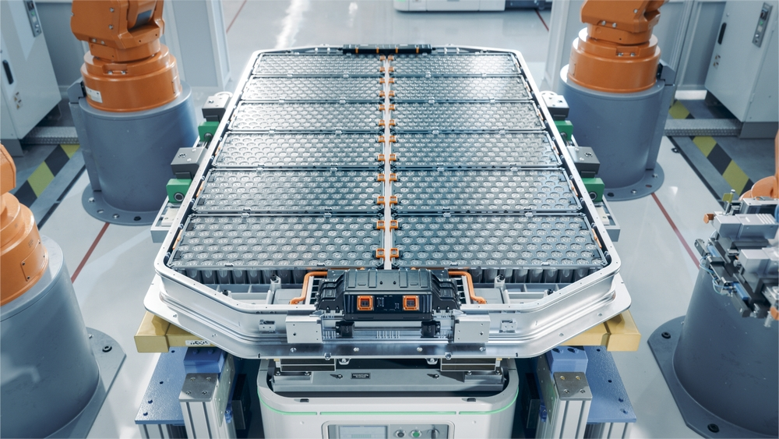
The battery pack is one of the most critical and expensive components in an electric vehicle. Battery assemblies require materials that can help secure components while withstanding vibration, temperature fluctuations, and demanding operating conditions.
EV battery adhesives are commonly used to support:
- Battery module assembly
- Cell retention and positioning
- Electronic component attachment
- Thermal management systems
- Protective enclosure assembly
These applications require reliable bonding solutions capable of delivering long-term durability and consistent performance.
Bonding Lightweight Vehicle Structures
Electric vehicle manufacturers increasingly utilize aluminum, composites, engineered plastics, and other lightweight materials to reduce vehicle mass.
Traditional joining methods can be challenging when bonding these dissimilar substrates. Electric vehicle bonding adhesives help create strong, durable connections while distributing loads more evenly across the bonded surface.
Common applications include:
- Body panels
- Structural reinforcements
- Composite assemblies
- Interior components
- Electronic housings
By reducing reliance on mechanical fasteners, manufacturers can achieve lighter designs while maintaining structural performance.
Improving Manufacturing Efficiency
Modern EV production relies heavily on automation and high-volume assembly processes. Selecting the right EV assembly adhesive can help manufacturers improve throughput while maintaining product quality.
Important adhesive characteristics often include:
- Fast cure times
- High bond strength
- Vibration resistance
- Temperature stability
- Chemical resistance
- Compatibility with automated dispensing systems
The right adhesive solution can help reduce assembly steps and improve manufacturing consistency.
Adhesive Technologies for Electric Vehicle Applications
Different EV assemblies require different bonding technologies. Hernon offers a variety of solutions that can support electric vehicle manufacturing applications, including:
- Structural Adhesives
- Epoxy Adhesives
- UV Curing Adhesives
- Instant Bond Adhesives
- Sealants
- Gasketing
These technologies can help manufacturers address a wide range of bonding, sealing, and assembly challenges throughout the EV production process.
Partner with Hernon for EV Manufacturing Solutions
As electric vehicles continue to evolve, adhesive technologies will remain essential to improving efficiency, safety, and performance. From battery pack assembly to lightweight structural bonding, the right adhesive can help manufacturers meet demanding production and engineering requirements.
Hernon provides advanced bonding and sealing solutions designed to support today's automotive and electric vehicle manufacturers. Our team can help identify the ideal adhesive technology for your EV application. Contact us to learn more.