
High Temperature Adhesives for Aerospace Engines and Turbine Components
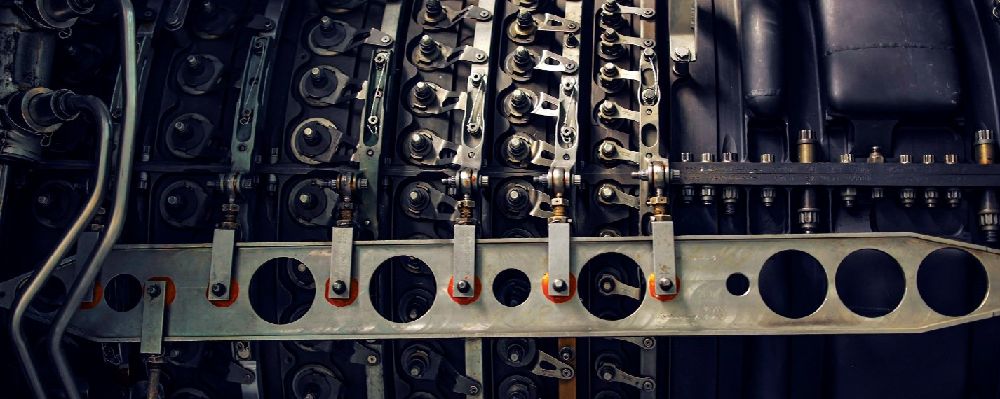
Aerospace engines and turbine systems operate in some of the most demanding environments imaginable. Components are routinely exposed to extreme temperatures, vibration, thermal cycling, chemicals, and mechanical stress. In these applications, selecting the right bonding solution is critical to ensuring reliability, safety, and long-term performance.
Modern high temperature aerospace adhesives are designed to withstand these harsh operating conditions while providing durable bonds that help manufacturers reduce weight, improve assembly efficiency, and enhance component performance.
Whether bonding sensors, securing thermal insulation, assembling engine components, or attaching auxiliary systems, the right heat resistant adhesives aerospace manufacturers use can make a significant difference in product longevity and operational reliability.
Why High-Temperature Adhesives Matter in Aerospace
Traditional fastening methods such as screws, rivets, and welds are not always ideal for aerospace engine applications. Mechanical fasteners can add weight, create stress concentrations, and increase manufacturing complexity.
Adhesives offer several advantages:
- Reduce overall component weight
- Distribute loads more evenly
- Minimize vibration-related failures
- Eliminate the need for drilling or welding
- Support bonding of dissimilar materials
- Improve design flexibility
For aerospace manufacturers focused on performance and efficiency, advanced adhesive technologies have become an essential part of modern assembly processes.
Challenges of Aerospace Engine and Turbine Environments
Not every adhesive can survive the conditions found near aerospace propulsion systems.
Common challenges include:
Extreme Temperatures
Engine and turbine components may experience prolonged exposure to elevated temperatures as well as rapid temperature fluctuations during operation.
Thermal Cycling
Aircraft engines repeatedly heat up and cool down during flight cycles. Adhesives must maintain bond integrity despite constant expansion and contraction of bonded materials.
Vibration and Mechanical Stress
Turbines generate significant vibration that can weaken conventional joining methods over time. Adhesives used in these environments must provide excellent durability and fatigue resistance.
Exposure to Fluids and Chemicals
Engine assemblies may encounter:
- Aviation fuels
- Hydraulic fluids
- Lubricants
- Cleaning agents
- Moisture and humidity
The selected adhesive must maintain performance despite exposure to these substances.
Key Characteristics of High Temperature Aerospace Adhesives
When evaluating bonding solutions for aerospace engines and turbines, manufacturers should look for several critical properties.
Thermal Stability
The adhesive must maintain its strength and physical properties at elevated temperatures without degrading or becoming brittle.
High Shear Strength
A quality turbine bonding adhesive should withstand substantial mechanical loads while maintaining structural integrity throughout its service life.
Chemical Resistance
Resistance to fuels, oils, hydraulic fluids, and harsh environmental conditions is essential in aerospace applications.
Durability Under Vibration
Aircraft propulsion systems create continuous vibration. Adhesives must resist fatigue and maintain strong bonds even under dynamic loading conditions.
Common Aerospace Applications
High-temperature adhesive technologies are frequently used in:
Turbine Components
Adhesives can be used to secure sensors, insulation materials, and auxiliary components in turbine assemblies.
Engine Sensors and Electronics
Modern aircraft engines rely on numerous sensors and electronic systems that require secure bonding and protection from environmental conditions.
Thermal Management Systems
Heat shields, insulation materials, and thermal barrier components often benefit from adhesive bonding solutions that can tolerate elevated temperatures.
Aerospace Composite Assemblies
Many modern aerospace structures incorporate lightweight composites that require specialized bonding technologies capable of handling both temperature extremes and structural loads.
Selecting the Right Adhesive Technology
The best adhesive depends on several factors, including operating temperature, substrate materials, cure requirements, and environmental exposure.
For demanding aerospace applications, manufacturers often evaluate products within Hernon's:
- Structural Adhesives
- Epoxy Adhesives
- UV Curing Adhesives
Many aerospace assemblies also require sealing capabilities in addition to bonding. In these cases, Hernon's:
- Sealants and Gasketing Products
can help protect components from moisture, chemicals, and environmental contaminants.
Partner with Hernon for Aerospace Bonding Solutions
As aerospace systems become more advanced, the need for reliable high temperature aerospace adhesives continues to grow. From engine assemblies and turbine components to thermal management systems and aerospace electronics, the right adhesive plays a critical role in performance and reliability.
Hernon offers a broad portfolio of engineered adhesive and sealing technologies designed to support demanding industrial and aerospace applications. Our team can help identify the ideal heat resistant adhesives aerospace manufacturers need to meet performance requirements while improving assembly efficiency.
Contact Hernon today to discuss your application and discover the right adhesive solution for your aerospace engine or turbine component project.